Presented by The Origins Foundation
A Documentary Film 40 Minutes 2024

Tides of Change

On a wild, windswept barrier island nearly forgotten by time, a dedicated team of conservationists fights a high-stakes battle against invasive predators to save the ancient lineage of the Loggerhead Sea Turtle.

Scroll
Title
Tides of Change
Runtime
40 minutes
Genre
Nature / Conservation
Location
Ossabaw Island, Georgia
Year
2024
Format
4K · 16:9 · 5.1 Surround
Language
English

A sanctuary, and a reckoning.

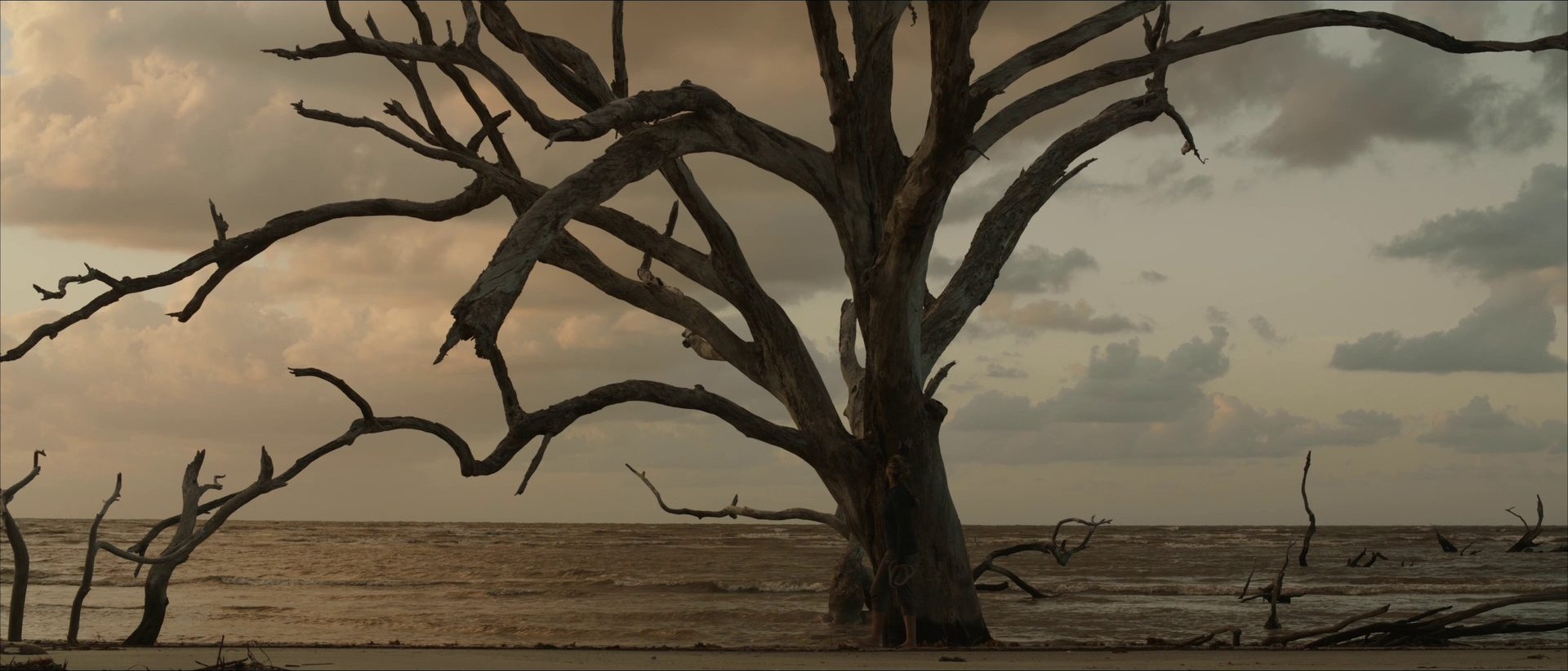
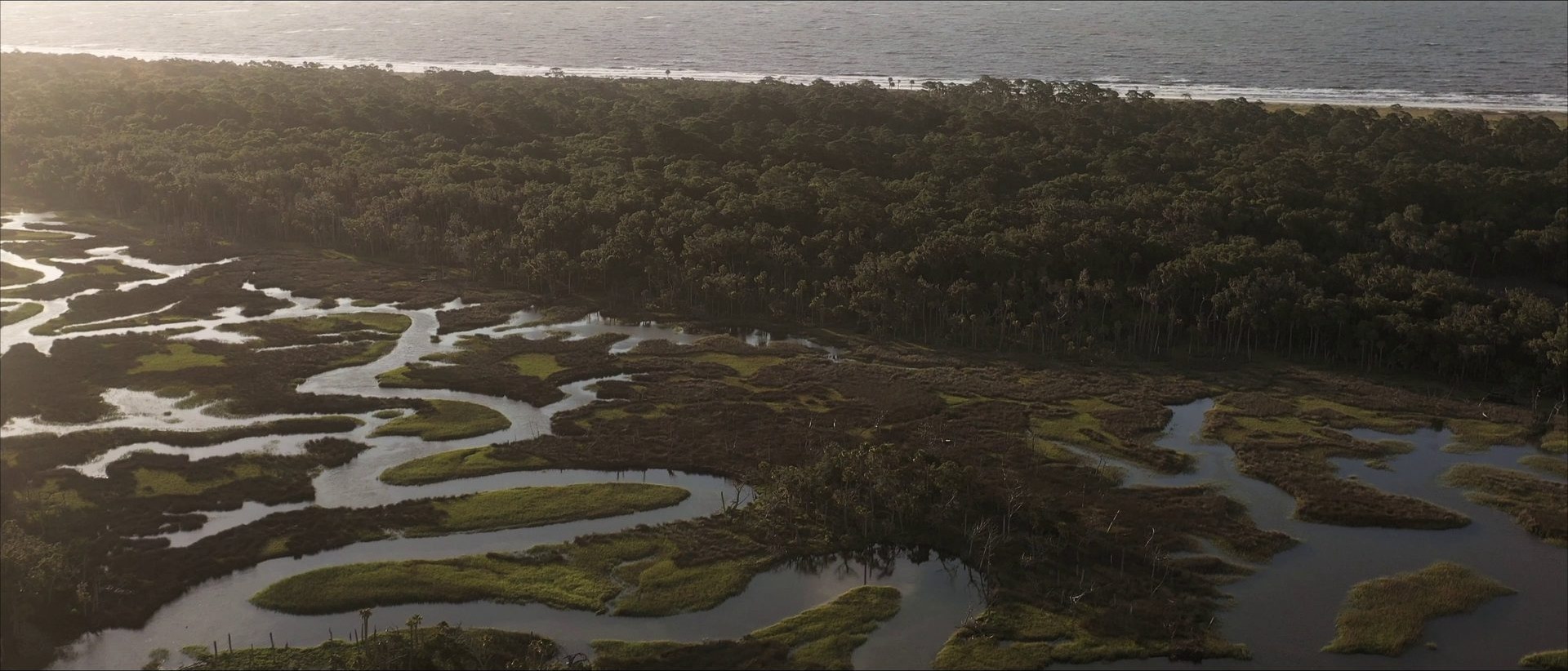
Ossabaw Island is a 25,000-acre barrier wilderness off the coast of Georgia — accessible only by boat, untouched by paved roads, and held in trust as the state's first Heritage Preserve.

For more than fifty years, this place has been protected by an extraordinary act of refusal. Eleanor "Sandy" Torrey West turned down millions in development offers and instead sold the island to the State of Georgia in 1978, on the singular condition that it would remain forever wild — no resorts, no condos, no golf courses. Just marsh, oak, sand, and tide.

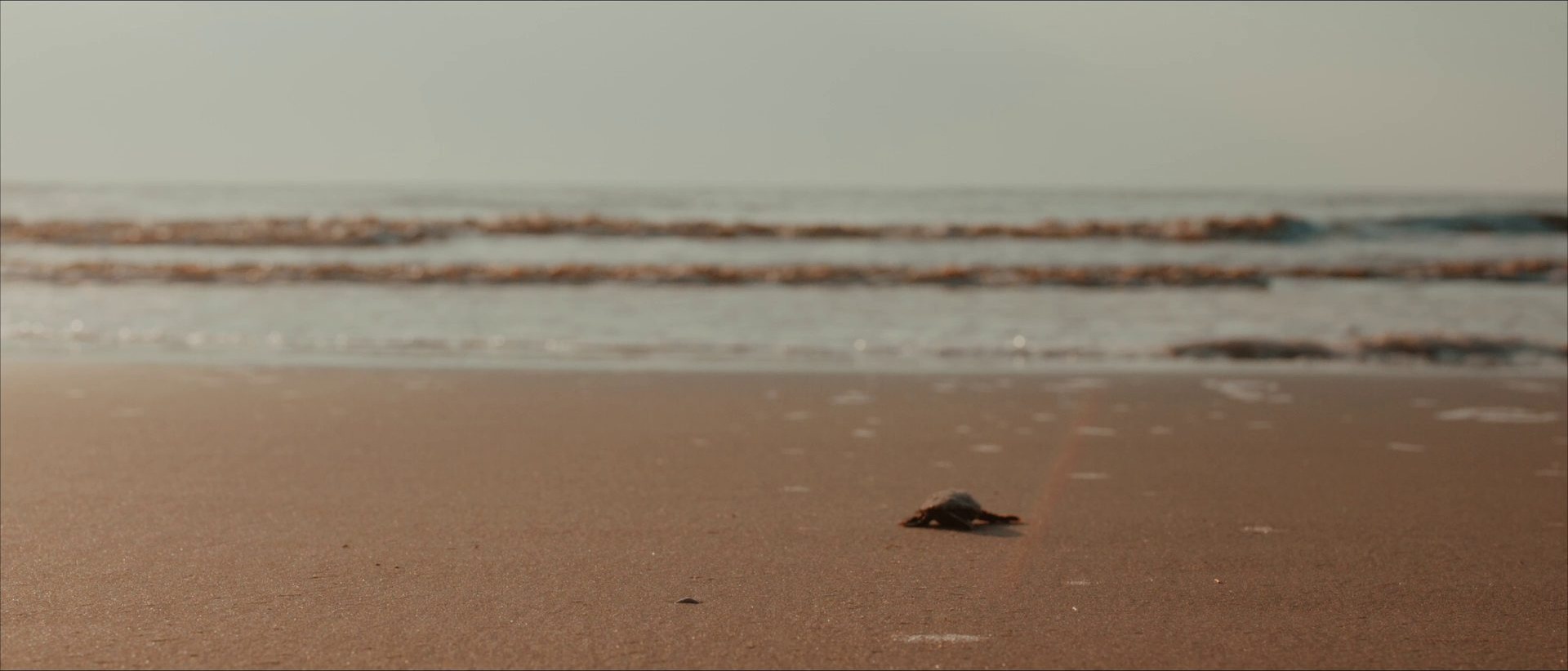
But the wild is no longer self-sustaining. Feral hogs — descendants of livestock introduced centuries ago — have learned to raid the nests of the threatened Loggerhead Sea Turtle, devouring up to 40 percent of every clutch laid on the island's shores. Tides of Change follows the small team of biologists, technicians, and rangers who have taken on the uncomfortable, around-the-clock work of restoring a balance humans were the first to disturb.

"It's the uncomfortable, tireless work of humans trying to balance a scale we helped tip."
Ossabaw Island · Tidal marsh and maritime forest

Two shifts. One nest at a time.

Saving a Loggerhead clutch is not a single act. It is a 60-day relay between daylight surveyors and nighttime guardians — a workflow as choreographed as it is exhausting.

06:00
Day Survey

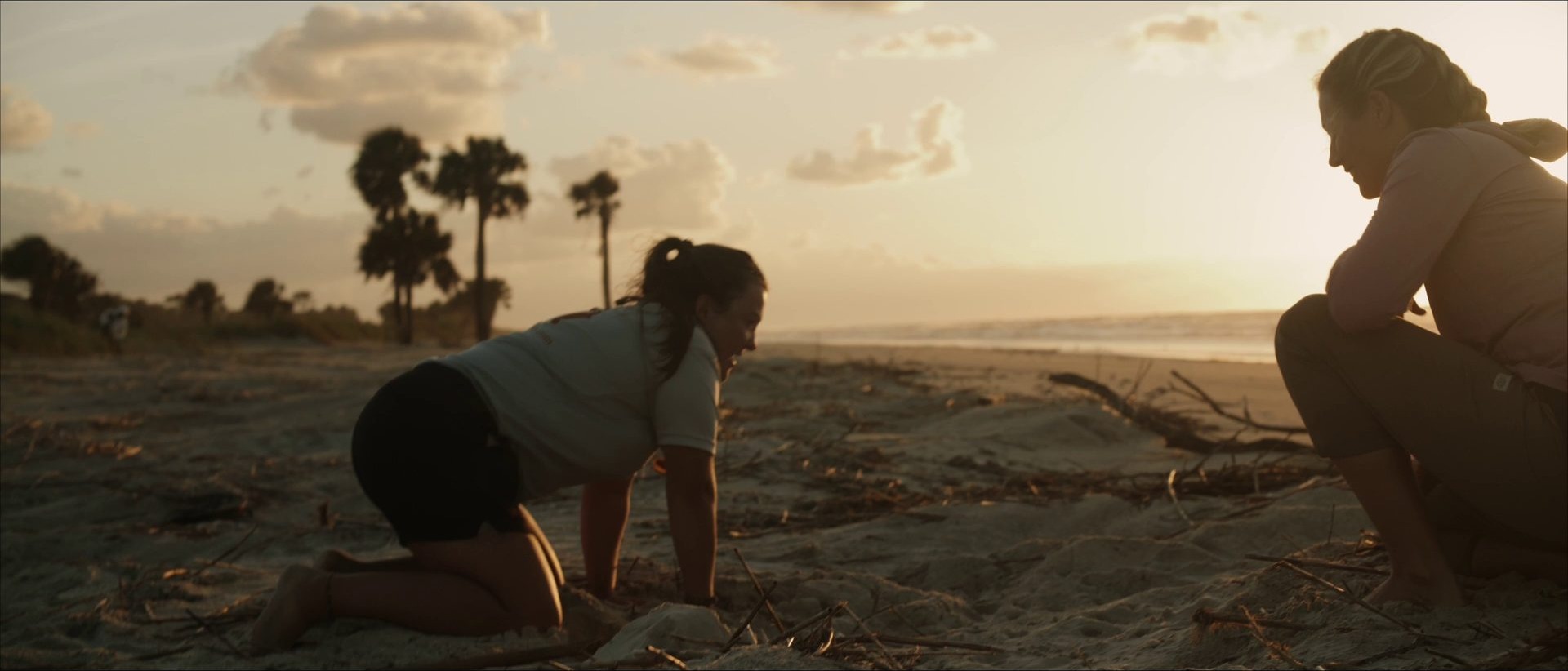
The Survey Team leads dawn patrol

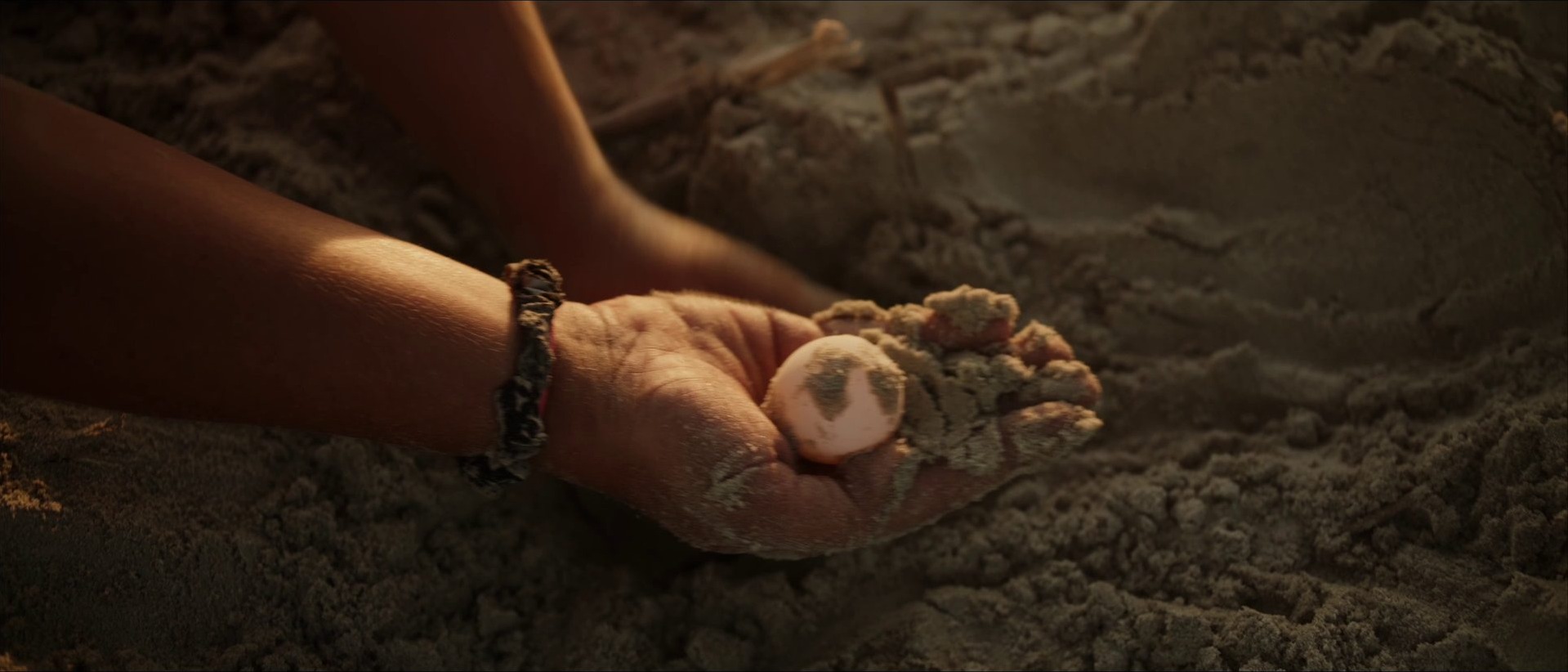
Before the sun is fully up, the survey team walks miles of beach looking for the telltale tractor-tread crawl of a nesting female. Each new nest is GPS-marked, screened against predators, and logged against decades of historical data. Every egg counted is a future generation accounted for.

02:00
Night Management

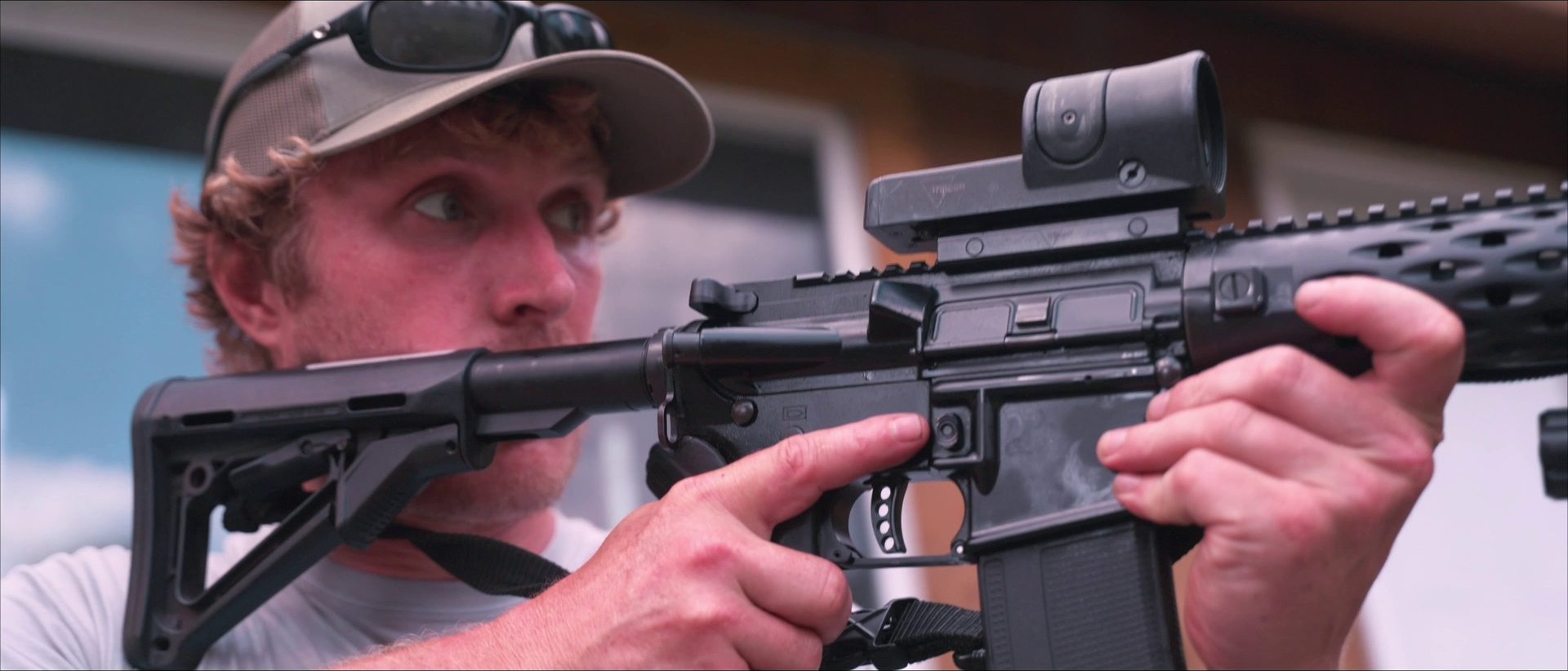
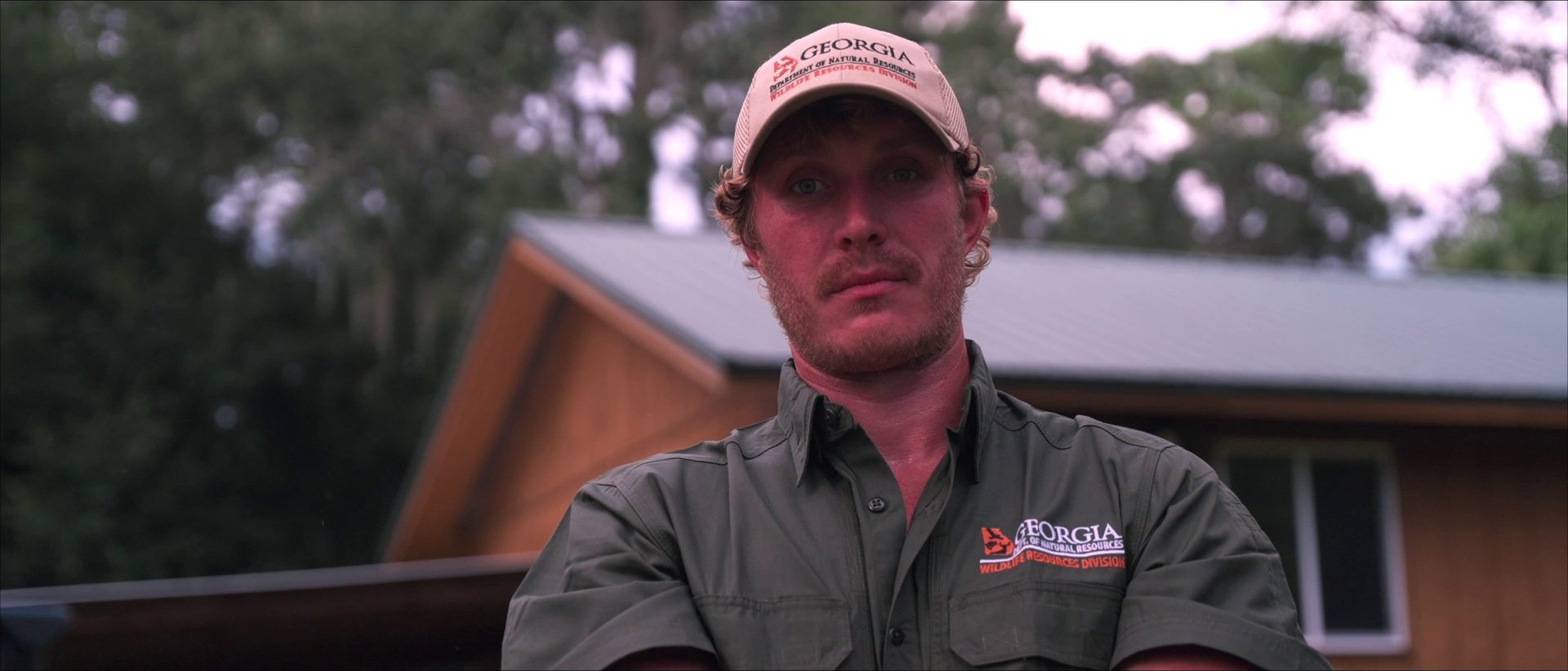
Cody Elrod patrols with thermal optics

As the only full-time resident on Ossabaw, Cody works the dunes through the dark hours when feral hogs are most active. Using thermal scopes and a precise, minimum-impact protocol developed with Georgia DNR, he intervenes only when a nest is actively at risk. The work is solitary, ethical, and unsentimental.

40%
Historic nest predation rate
7%
Current annual average
25,000
Acres of protected wilderness

The people who chose the wild over the easy path.

Host · 100-Ton Licensed Captain

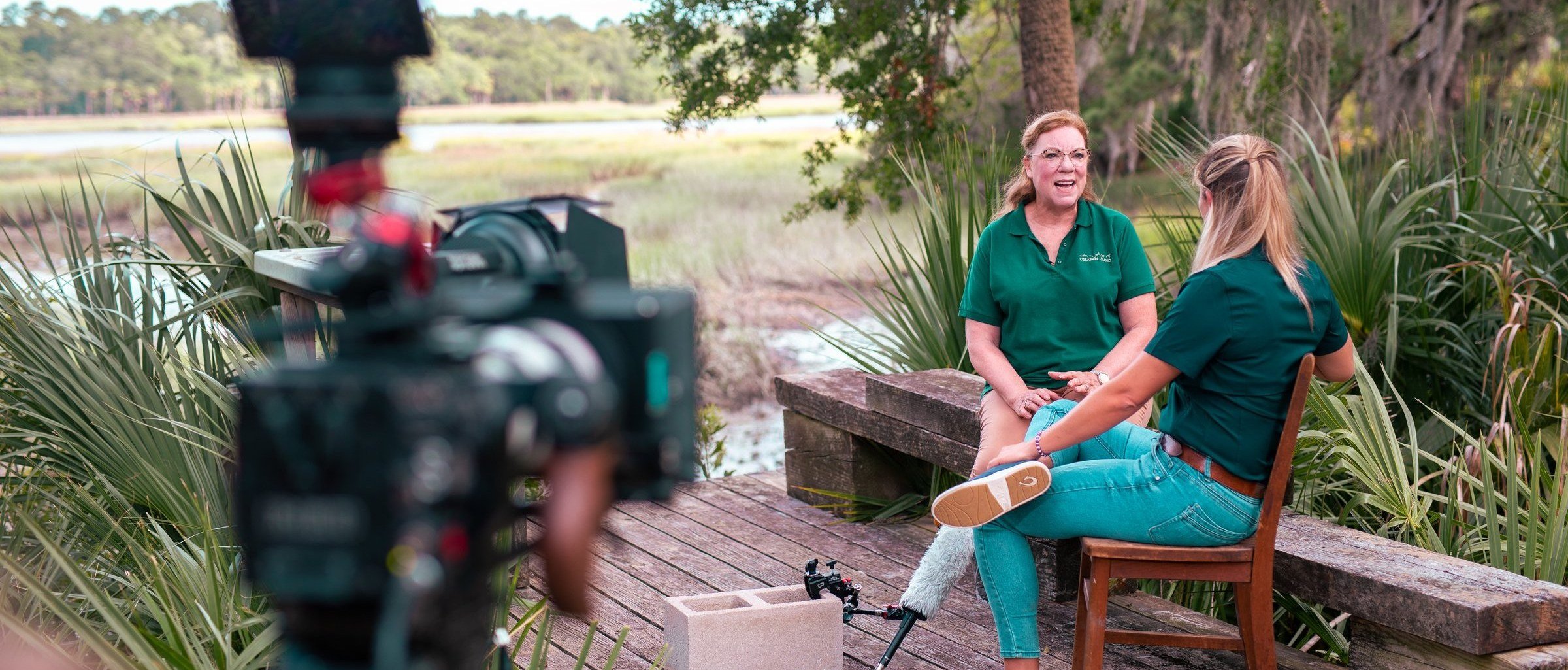
Katie C. Sawyer

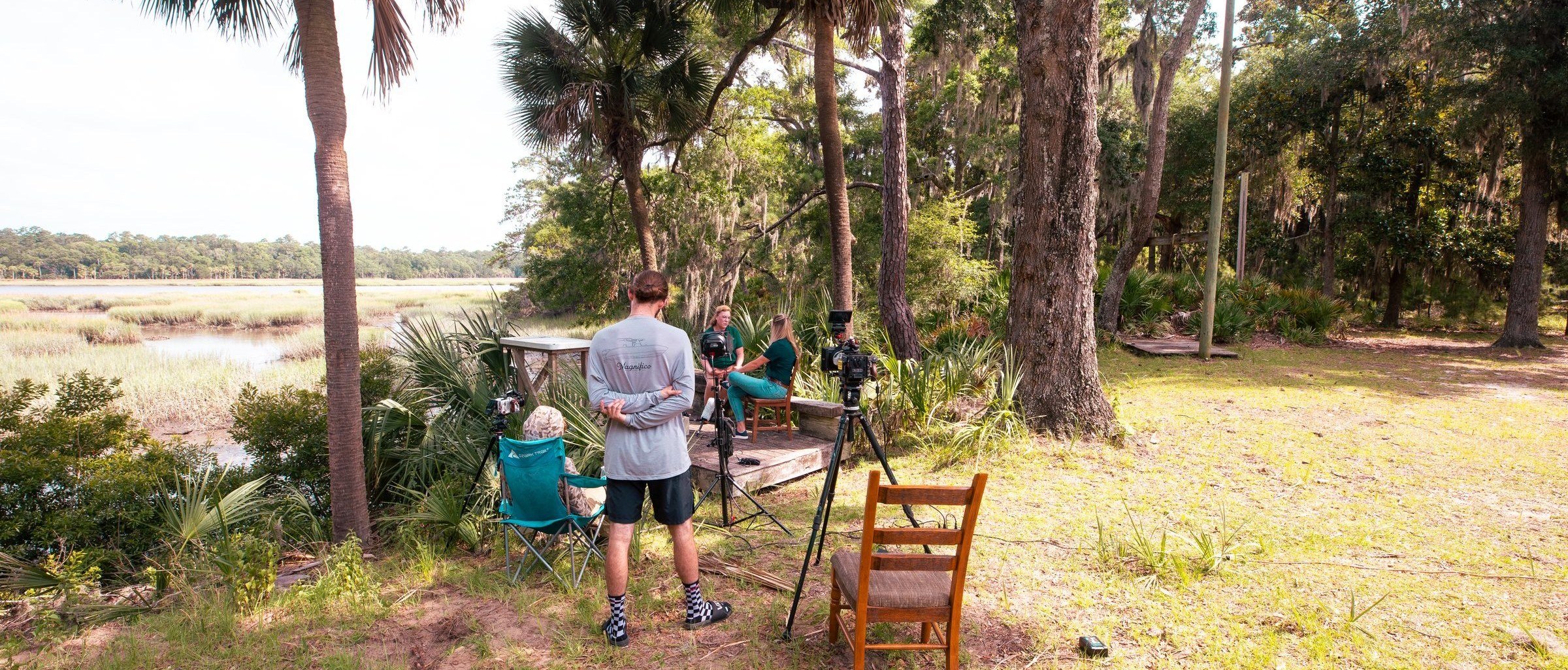
A published scientist, tournament angler, and the film's narrative guide. Katie brings both technical expertise and natural warmth to every conversation, connecting viewers to the people behind the conservation work. Her questions reveal what drives someone to choose this path — and what it costs to stay on it.
Island Technician · Georgia DNR

Cody Elrod

The only full-time resident of Ossabaw Island. A rugged guardian who lives off the grid and patrols the dunes at 2:00 AM with thermal optics. Cody represents the boots-on-the-ground soul of the operation — and the moral weight of carrying it out alone.

The Legacy · 1913–2021

Eleanor "Sandy" Torrey West

The island's late owner, who turned down generational fortunes from developers and instead sold Ossabaw to the State of Georgia for a fraction of its market value. Her one condition — preserved in state law — ensures no paved road or resort will ever touch the island's shores.

"I wanted it to remain as God made it."
Commissioner · Georgia DNR

Walter Rabon

The leadership voice of the film. Rabon oversees 1,760 staff across the Georgia Department of Natural Resources — a workforce he describes not as employees but as "rockstars." For him, conservation is not a career. It is a vocation passed between generations.

Choosing the wild.

Coming to Ossabaw, I realized conservation isn't just about protection — it's about intervention. It's the uncomfortable, tireless work of humans trying to balance a scale we helped tip. This film is a tribute to the people who choose the wild over the easy path.
Andrew Seals
Director · Tides of Change

Talking points for press and programmers.

— 01

Conservation as intervention

The film dismantles the myth that "wild" places are self-regulating. True stewardship now requires active, often uncomfortable human management — and a willingness to make hard ecological choices.

— 02

The ethics of choosing one species over another

Feral hogs are intelligent, sentient animals. Loggerhead turtles are ancient and threatened. The team must reconcile the moral cost of lethal management with the survival of a species that predates humanity.

— 03

Legacy and the long view

Sandy West's refusal to sell to developers is a generational gift. The film asks what it means to inherit — and to honor — a place protected by someone else's restraint.

— 04

The unseen labor of stewardship

While the public sees beaches and wildlife, the work of preservation happens at 2 AM, alone, in the dark. The film honors the technicians, biologists, and rangers whose names rarely appear in headlines.

— 05

Place-based storytelling, global resonance

Ossabaw is one specific island, but the questions it raises — about invasive species, climate pressure, and human responsibility — apply to every coastline on Earth.

— 06

A measurable impact

From 40% nest predation down to a 7% annual average. The film offers something rare in environmental documentary: a story where the intervention is working, and the data proves it.

Winner — Best Documentary Short, Spotlight Documentary Awards 2025

Winner. Best Documentary Short.

Tides of Change was awarded Best Documentary Short at the 2025 Spotlight Documentary Awards, recognized among the year's most compelling and original works of nonfiction storytelling.

Made in Georgia. Celebrated in Georgia. The film was produced entirely on Ossabaw Island and honored at the Atlanta Spotlight Film Festival, with the ceremony held at Limelight Theater on December 6, 2025. A Georgia story, told by a Georgia team, recognized in the state where it was made.

The trailer.

A first look at the work, the place, and the people who keep it alive.

For early access to the full film, request a screener via the contacts below.

Questions worth asking.

A starting point for journalists, festival moderators, and panel hosts. Click any question to view the director's prepared response.

How did you reconcile filming the lethal management of one species in service of another? +

That tension is the moral core of the film, and we refused to look away from it. We made an early decision not to aestheticize the predator-management work, but also not to sensationalize it. What the audience sees is what the team lives with: a job that no one celebrates, conducted by people who care deeply about both species. The hogs didn't choose to be here. The turtles can't survive if we pretend the hogs aren't.

Sandy West refused millions to keep Ossabaw undeveloped. What does her decision mean today? +

Sandy's choice is the precondition for everything else in the film. Without it, there is no nesting beach, no Heritage Preserve, no Cody walking the dunes at 2 AM. Her legacy is a reminder that conservation is a chain of decisions across generations — and that one person's refusal can protect a coastline for centuries.

The data shows nest predation has dropped from 40% to 7%. Why isn't this a more widely-known success story? +

Because the work is invisible by design. Stewardship doesn't trend. The biologists and technicians on Ossabaw aren't seeking attention — they're seeking outcomes. Part of why we made this film was to put a number, a face, and a place to a kind of conservation labor that almost never gets credited. The 33-point drop in predation is one of the most measurable wins in regional sea turtle recovery, and almost no one outside the field has heard of it.

What do you hope audiences take away from the film? +

That "wild" is no longer a default state. It is a choice, made daily, by people most of us will never meet. And that choosing the harder path — ecologically, ethically, personally — is still possible.

Suggested Interview Questions

  1. What first brought you to Ossabaw, and when did you know there was a film here?
  2. How did you build trust with Cody and the Georgia DNR team to film their nighttime work?
  3. The film features both vast aerial cinematography and extreme intimacy with the turtles and their eggs. How did you balance the macro and the micro?
  4. Sandy West passed away in 2021. How did her absence shape the way you told the story of her legacy?
  5. What ecological pressures threaten Ossabaw beyond feral hogs — and were any of them harder to film?
  6. How has working on this film changed the way you think about conservation in your own life?
  7. What do you want viewers to do after the credits roll?

The team behind the film.

Presented by
The Origins Foundation

Principal Credits

Directed by
Andrew Seals
Hosted by
Katie C. Sawyer
Executive Producer
Dr. Robbie Kröger
Producer
Bryan Fiscus
Producer
Garrett Frazier
Producer
Brittany Seals
Editor
Matthew Blum
A Film By
Magnifico Media

Featured Subjects

Interviewed by Katie C. Sawyer
Cody Elrod
Walter Rabon
Elizabeth DuBose
Mark Dodd
Andy Meadows

Camera Crew

Director of Photography
Alex Cote
Assistant Camera
Ilya Matyushin
Assistant Camera
Reece Brigman

Awards & Recognition

Winner
Best Documentary Short
Awarded By
Spotlight Documentary Awards, 2025
Ceremony
Atlanta Spotlight Film Festival
December 6, 2025

Special Thanks

Foundation
Georgia Natural Resources Foundation
Foundation
Ossabaw Island Foundation
Former Commissioner
Mark Williams, GDNR
Partner
Georgia Chapter of SCI
Runtime 40 min Format 4K Digital Aspect 16:9 Audio 5.1 Surround Language English Year 2024